

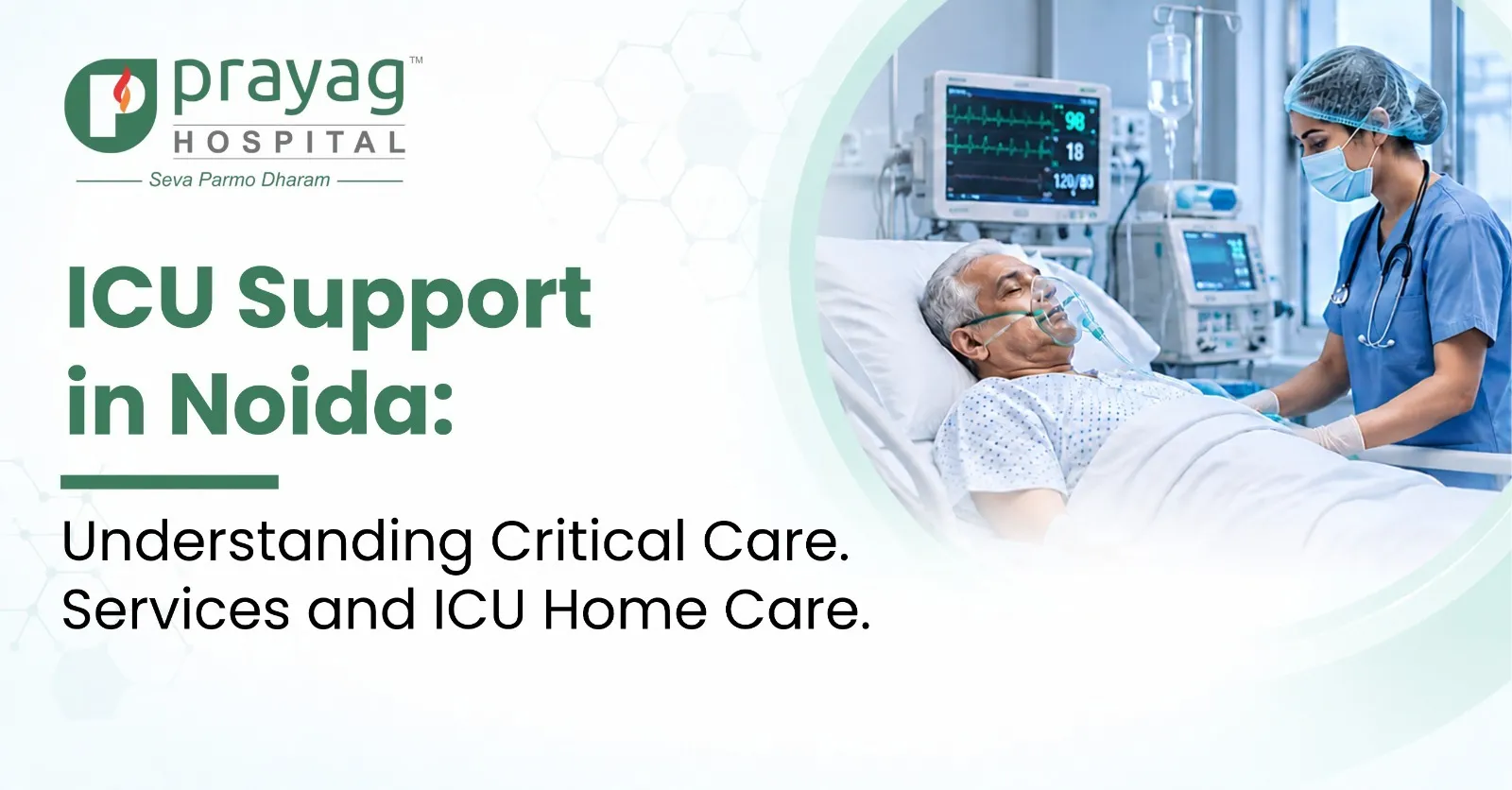
Most families hear the word "ICU" for the first time in a hospital corridor, usually at the worst possible moment. A parent has collapsed, a sibling is struggling to breathe, or a surgery has not gone as planned. Decisions have to be made quickly, and very few people know what intensive care actually involves.
This guide is meant to change that. It explains what ICU support in Noida looks like, which conditions usually need it, and what to expect from a well-run unit. It also covers a question many families now ask after discharge: is ICU home care in Noida a safe way to continue recovery at home?
The short answer is that both have a place. A hospital ICU saves lives during a crisis. Home-based critical nursing can support recovery once the crisis has passed. Knowing the difference helps you choose well for someone you love.
What Is an Intensive Care Unit (ICU) and Why Is It Important?
An Intensive Care Unit is a dedicated hospital area for patients whose vital organs are failing or are at serious risk of failing. Compared with a general ward, it has more nurses per patient, round-the-clock specialist doctors and equipment that can take over the work of the lungs, heart or kidneys for a while.
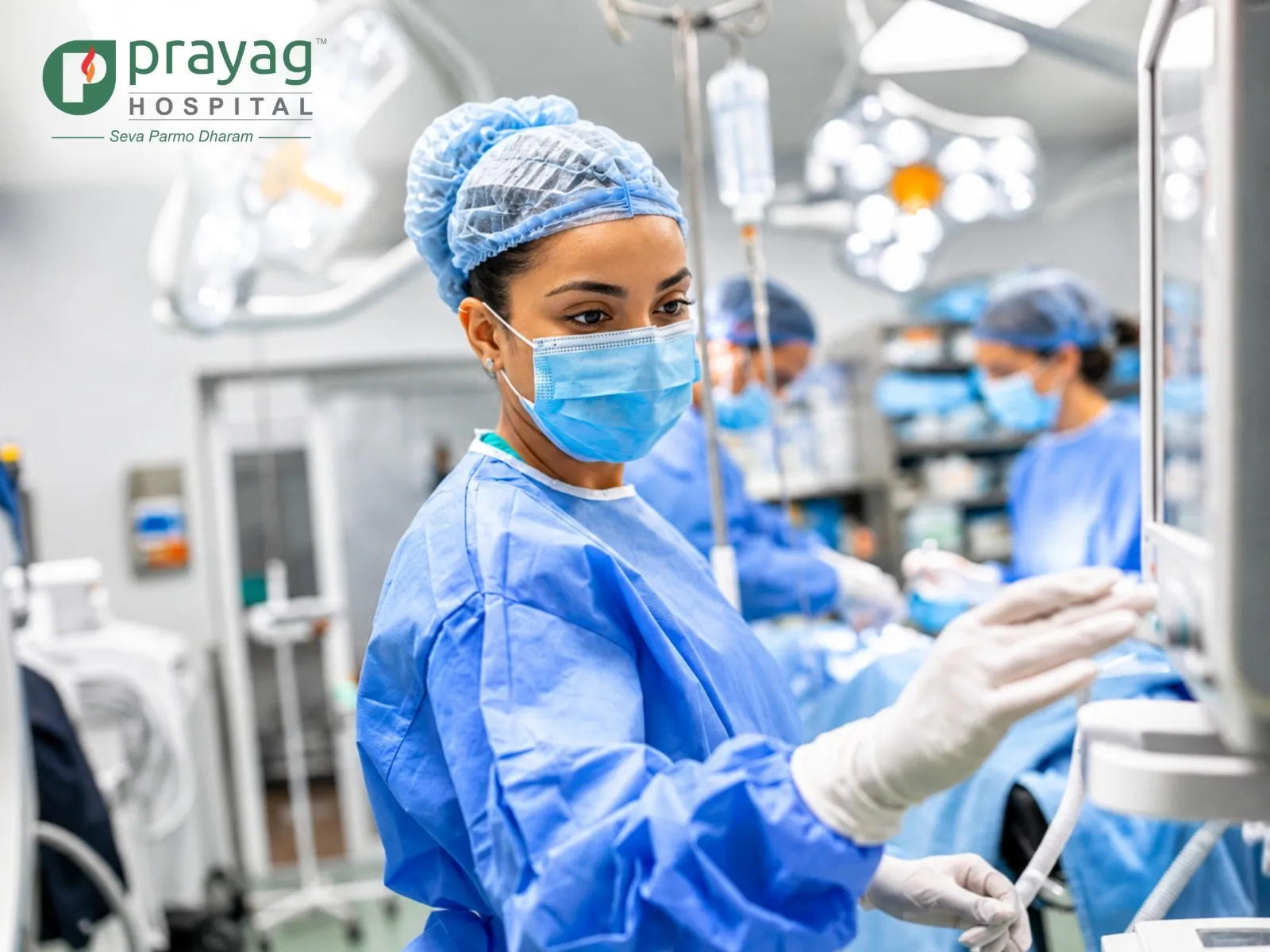
India's Union Health Ministry released national guidelines on ICU admission and discharge in December 2023, drafted with critical care experts. They state that admission should be based on organ failure, the need for organ support, or an expected worsening of the patient's condition. In simple terms, the ICU exists to buy the body time while doctors treat the underlying problem.
That is why choosing the right critical care hospital in Noida matters. In a crisis, the first few hours often shape how the rest of the illness unfolds.
When Does a Patient Need ICU Support?
The decision always rests with the treating doctor. Even so, most ICU admissions fall into a few broad groups.
Severe Respiratory Problems
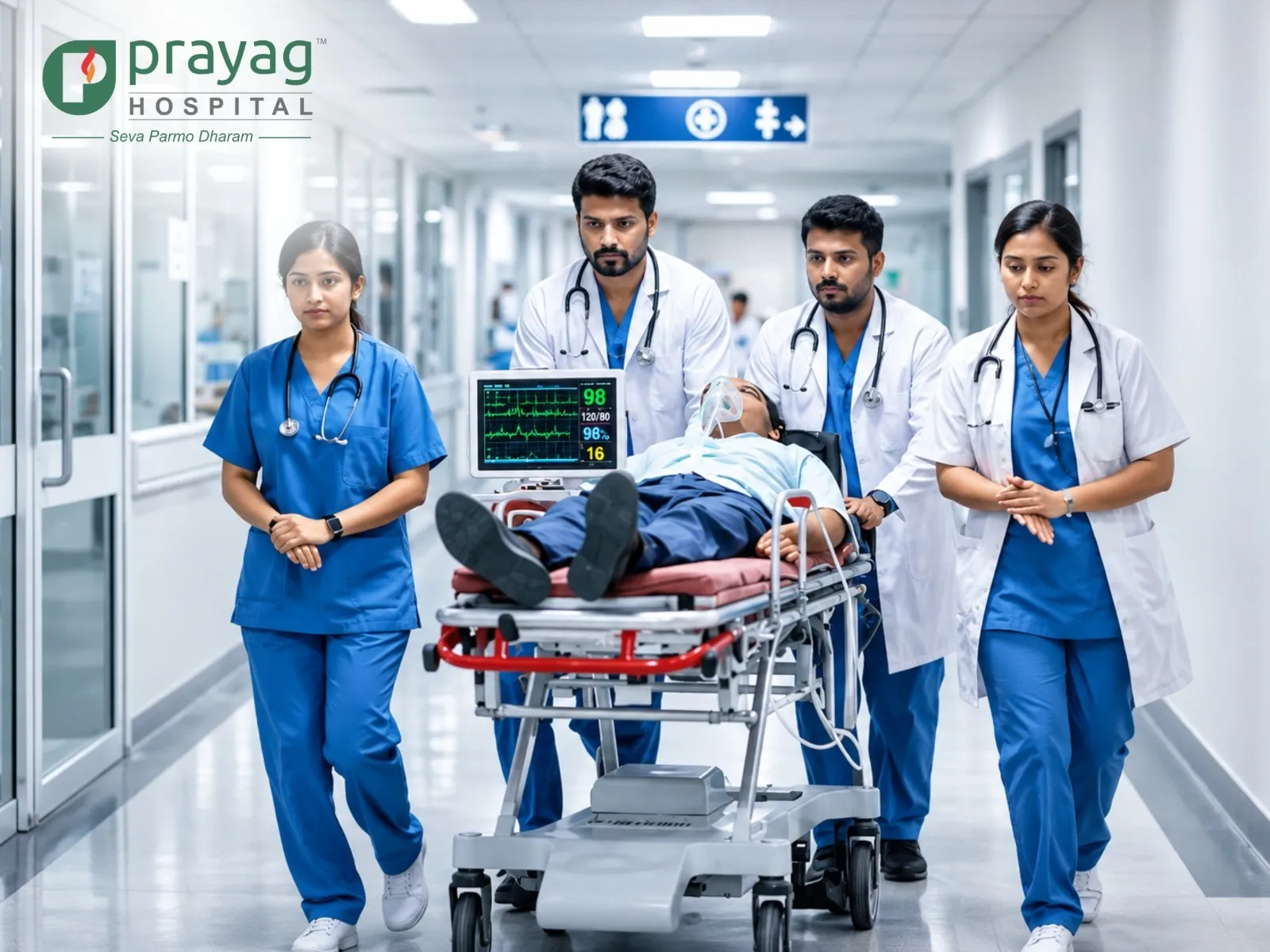
Severe pneumonia, a bad flare of COPD or asthma, and acute respiratory distress can leave a person unable to get enough oxygen on their own. Warning signs include fast, laboured breathing, bluish lips and falling oxygen levels despite supplemental oxygen. These patients may need high-flow oxygen, non-invasive ventilation (BiPAP) or a mechanical ventilator.
Heart-Related Emergencies
Heart attacks, dangerous rhythm problems, severe heart failure and very low blood pressure all call for close cardiac monitoring. In the ICU, doctors can watch every beat, give medicines that support blood pressure and act within seconds if the heart stops.
Brain and Neurological Emergencies
Stroke, brain haemorrhage, head injury, prolonged seizures and sudden unconsciousness need neuro-critical care. Patients are watched for changes in alertness and breathing, and some need airway protection or a ventilator until the brain recovers.
Severe Infections and Sepsis
Sepsis happens when the body's response to an infection starts damaging its own organs. It can move fast, with fever or very low temperature, confusion, rapid breathing and falling blood pressure. Early antibiotics, fluids and organ support in the ICU make a real difference to survival.
Major Accidents, Trauma and Post-Surgical Complications
Road accidents, falls and major injuries can cause heavy blood loss and multiple organ injuries. Patients recovering from major or emergency surgery may also need a short ICU stay, especially if they are elderly or have heart, lung or kidney disease.
What Facilities and Services Are Available in a Modern ICU?
When families compare ICU facilities in Noida, these are the services worth asking about.
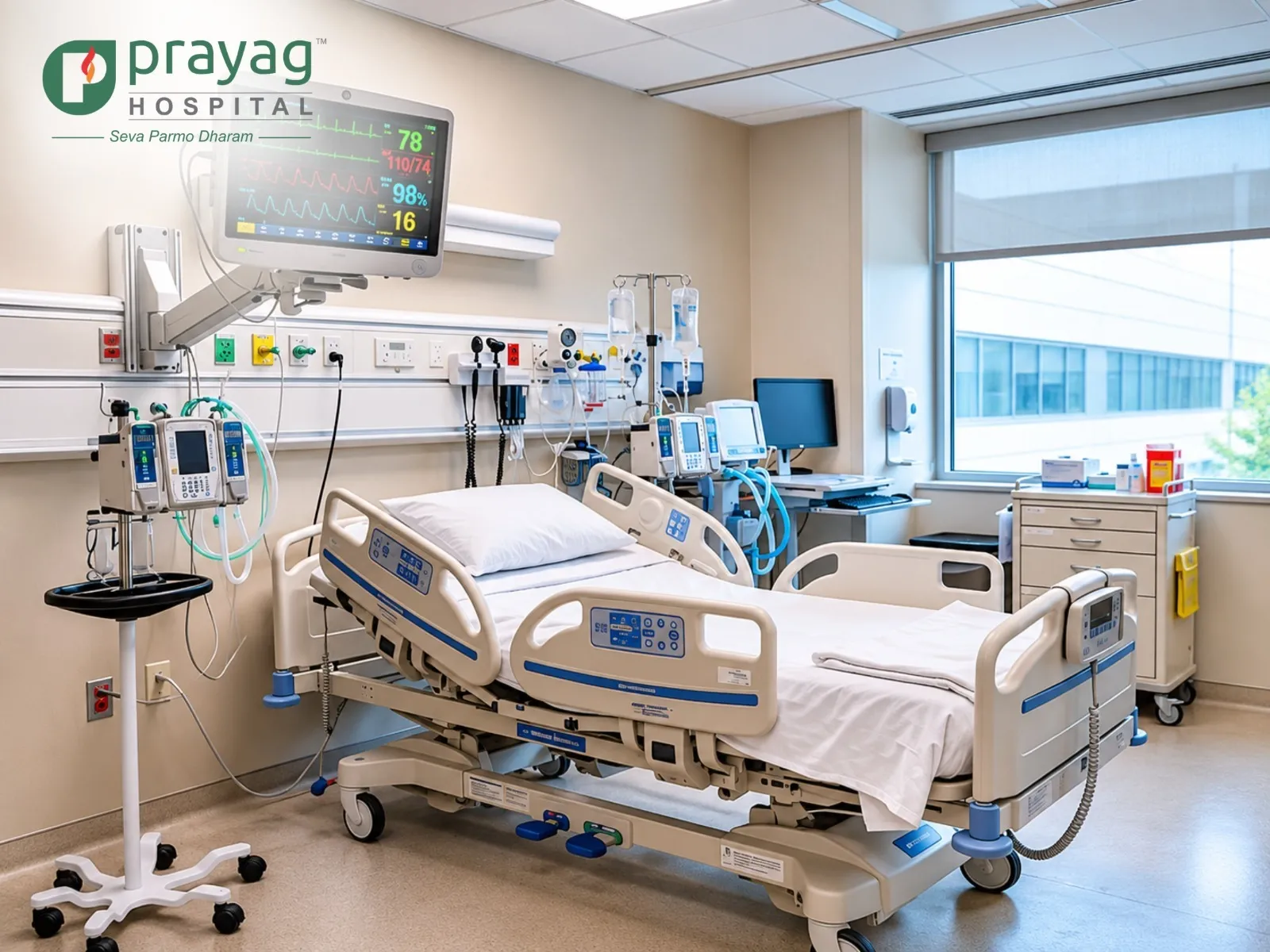
24/7 Patient Monitoring
Bedside monitors track heart rhythm, blood pressure, oxygen levels, breathing rate and temperature continuously. Alarms alert the team the moment something changes, often before the patient shows visible distress.
Mechanical Ventilator Support
A ventilator breathes for the patient, or assists their own breathing, when the lungs cannot cope. Modern ICUs offer both invasive ventilation through a breathing tube and non-invasive support through a mask.
Advanced Life Support Systems
This includes defibrillators, infusion pumps for precise drug delivery, medicines that support blood pressure and, where needed, dialysis for failing kidneys. Quick access to lab tests, X-ray and CT scans helps doctors adjust treatment hour by hour.
Specialized Critical Care Nursing
ICU nurses are trained to manage ventilated and unstable patients. Critical care training material based on ISCCM guidance suggests at least one nurse for every two ICU patients, and one-to-one care for the sickest.
Multidisciplinary Medical Support
Critically ill patients rarely have just one problem. Intensivists work alongside cardiologists, pulmonologists, neurologists, nephrologists, surgeons, physiotherapists and dietitians, with daily rounds to review the plan.
Infection Prevention and Isolation Facilities
ICU patients are especially vulnerable to hospital-acquired infections. Strict hand hygiene, sterile procedures, regular disinfection and isolation rooms for infectious patients protect everyone in the unit.
What Is ICU Home Care and How Does It Work?
ICU home care means setting up selected critical care equipment and trained nursing support in the patient's home. A typical setup may include a hospital bed, a patient monitor, oxygen support, suction, a feeding pump and, in some cases, a home ventilator. Trained nurses manage daily care, while doctors review the patient through visits or teleconsultation.
ICU Home Care Is Not the Same as a Hospital ICU
A home has no on-site intensivist, no emergency team down the corridor and no immediate access to scans, blood tests or surgery. It works only for patients who are medically stable and whose needs are predictable, and only after a doctor has assessed them and agreed that home is safe.
Which Patients May Benefit from ICU Home Care?
Patients Recovering After ICU Discharge
Some patients leave the ICU stable but still weak, perhaps with a tracheostomy, a feeding tube or ongoing oxygen needs. A structured home setup can continue their recovery in familiar surroundings.
Elderly Patients Requiring Specialized Care
For older adults, long hospital stays can bring confusion, infections and loss of muscle strength. Where the doctor agrees, skilled care at home can reduce these risks while keeping a close watch on vital signs.
Patients Requiring Long-Term Nursing Support
People living with advanced neurological conditions, late-stage illnesses or chronic lung disease may need daily skilled nursing for months. Home care avoids repeated admissions for needs that are serious but stable.
Bedridden Patients Requiring Continuous Assistance
Patients who cannot move on their own need regular turning, pressure sore prevention, catheter care and help with feeding and hygiene. Trained caregivers handle these safely and teach the family what to watch for.
Hospital ICU vs ICU Home Care: What Is the Difference?
| Factors | Hospital ICU | ICU Home Care |
|---|---|---|
| Best suited for | Unstable, life-threatening conditions | Stable patients with predictable needs |
| Doctor availability | Intensivists and specialists on site 24/7 | Scheduled visits or teleconsultation |
| Emergency response | Immediate, within minutes | Depends on ambulance transfer to hospital |
| Equipment | Full life support, dialysis, advanced ventilators | Selected equipment such as monitor, oxygen, home ventilator |
| Diagnostics | Labs, X-ray and CT available round the clock | Limited; samples collected and sent out |
| Nursing | ICU-trained nurses, typically 1:1 or 1:2 | Trained home nurses, usually 1:1 in shifts |
| Environment | Clinical, restricted visiting | Familiar, family close by |
| Infection risk | Controlled but exposed to hospital organisms | Lower exposure, depends on home hygiene |
Any patient who needs immediate life support, may deteriorate suddenly or needs emergency procedures should be in a hospital ICU. In a cardiac arrest, a sudden drop in oxygen or a major bleed, the minutes lost in reaching a hospital can be the difference between recovery and permanent harm. Home care is a step in recovery, never a substitute for 24/7 critical care support in a hospital.
Important Things to Consider Before Choosing ICU Home Care in Noida
Before arranging ICU home care in Noida, families should check the following:
- Doctor's clearance: Get written approval from the treating intensivist that the patient is stable enough for home.
- Staff qualifications: Ask whether nurses have critical care training and experience with ventilators or tracheostomy care.
- Medical oversight: Confirm how often a doctor will review the patient and who to call at night.
- Equipment and backup: Check that equipment is serviced and that there is power backup and spare oxygen.
- Emergency plan: Know the nearest critical care hospital in Noida, the ambulance number and the transfer plan before you need them.
- Home readiness: Make sure there is space for the bed and equipment, and that the room can be kept clean.
How to Choose the Right Critical Care Hospital in Noida
It helps to decide this before an emergency, not during one. Look for:
- Accreditation: NABH accreditation shows the hospital meets national standards for patient safety and clinical care.
- Qualified intensivists: Ask whether trained critical care specialists lead the ICU, rather than only duty doctors.
- A 24/7 emergency department: The ICU should be backed by an emergency team, ambulance service and round-the-clock diagnostics.
- Specialist depth: Cardiology, pulmonology, neurology, neurosurgery and nephrology under one roof save time when a patient has more than one problem.
- Location: A hospital you can reach quickly from home or work is worth a lot in an emergency.
- Communication: Good units update families daily and explain decisions in plain language.
- Insurance and panels: Check whether your insurer, CGHS or other schemes are accepted.
Critical Care and ICU Facilities at Prayag Hospital, Noida
Prayag Hospital & Research Centre in Sector 41, near Noida City Centre, has served the city for decades. It began as a small orthopaedic centre in 1995 and has grown into a multispeciality hospital with 24/7 emergency services.
The hospital is NABH accredited, and its accredited scope covers critical care, including speciality ICU, along with emergency medicine and ambulance services. This means patients have ICU support in Noida backed by an emergency team that can stabilise them from the moment they arrive.
Critically ill patients at Prayag are supported by specialists across pulmonary and respiratory medicine, cardiology, neurology, neurosurgery, nephrology with dialysis, general and laparoscopic surgery, and orthopaedics. Physiotherapy and rehabilitation teams help patients regain strength once they move out of the ICU. Prayag is also a CGHS empanelled hospital, which makes care more accessible for central government employees and pensioners.
For families planning the next step after an ICU stay, the treating team can advise on whether the patient is ready for home and what level of care they will need there.
Why Timely Critical Care and Continuous Monitoring Matter
In conditions like sepsis, stroke, heart attack and respiratory failure, delay costs more than time. Treatment started early often works better and needs less aggressive support later. Continuous monitoring catches small changes, such as a slow fall in blood pressure or oxygen, before they become emergencies.
Conclusion
An ICU is where the sickest patients get the closest care, and choosing a well-equipped critical care hospital in Noida can shape how a critical illness ends. ICU home care has a useful role too, but only for stable patients and only with a doctor's approval. If you or a family member needs ICU support in Noida, or advice on continuing care after discharge, the team at Prayag Hospital, Sector 41, is available round the clock.