


- Understanding Physiotherapy
- What a Physiotherapist Evaluates
- Common Causes of Lower Back Pain
- When to Consider Back Pain Physiotherapy
- Physical Therapy for Lower Back Pain
- Physiotherapy Techniques
- Conditions Managed
- Personalised Treatment Plan
- Physiotherapy vs Other Approaches
- Choosing a Physiotherapy Centre in Noida
- Physiotherapy at Prayag Hospital
- Frequently Asked Questions
Back stiffness after a long day at the desk, a knee that never fully recovered after a fall, or a shoulder that aches every time you reach for a shelf: these problems are common, and many people simply learn to live with them. Over time, though, untreated pain and restricted movement can affect sleep, work, and confidence. Physiotherapy offers a structured, evidence-based way to address the cause of the problem, not just the symptoms.
For people looking for physiotherapy in Noida, it helps to know what a good programme includes and how a physiotherapist approaches assessment. It also helps to know how treatment for common problems such as lower back pain is planned. This guide covers each of these and explains when to seek professional care.
Understanding Physiotherapy and Its Role in Physical Rehabilitation
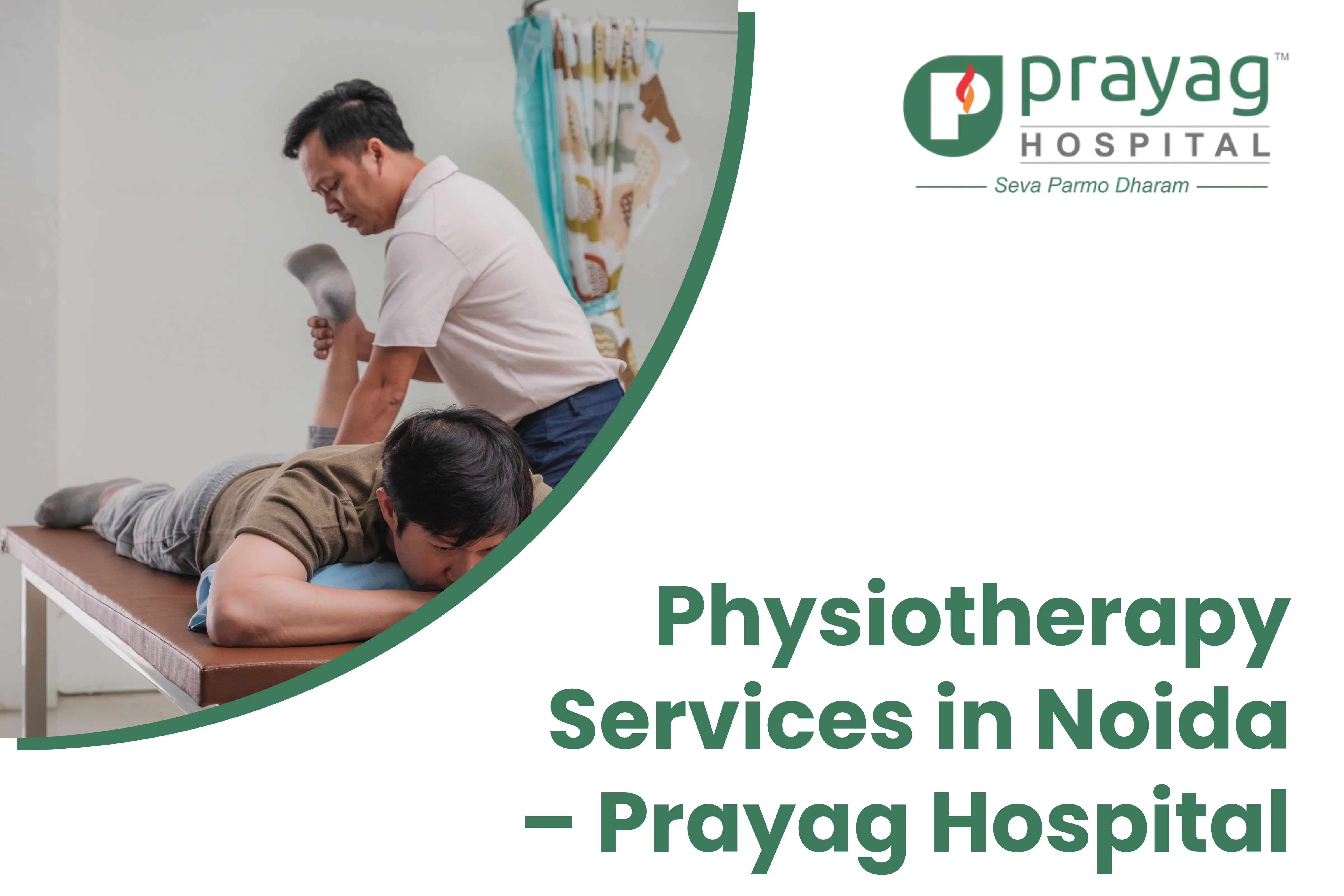
Physiotherapy is a healthcare discipline that helps people restore, maintain, and improve movement and physical function. It uses guided exercise, hands-on techniques, education, and functional training to help the body recover from injury, illness, surgery, or long-term strain.
Rehabilitation is the broader goal: helping a person return to the activities that matter to them, whether that is climbing stairs without pain, returning to sport, or managing household tasks independently. Physiotherapy sits at the centre of this process. It works alongside medical treatment and, where needed, surgical care. Unlike approaches that focus only on short-term relief, physiotherapy aims to build strength, flexibility, and body awareness so that problems are less likely to return.
What Does a Physiotherapist Evaluate Before Starting Treatment?
Effective treatment depends on an accurate understanding of the problem. Before recommending any exercise or therapy, a physiotherapist carries out a detailed evaluation.
Medical History and Patient Evaluation
The first step is a conversation. The physiotherapist asks when the pain began and what makes it better or worse. They also ask about previous injuries or surgeries, existing medical conditions, medications, occupation, and daily routine. This history helps identify contributing factors, such as prolonged sitting or repetitive lifting. It also helps rule out warning signs that need medical review before physiotherapy begins.
Physical and Functional Assessment
Next, the physiotherapist examines posture, joint range of motion, muscle strength, flexibility, balance, and walking pattern. Specific movement tests help pinpoint which structures are involved. Functional assessment looks at how the problem affects real-life tasks such as bending, sitting, standing up from a chair, or carrying weight.
Developing Individualized Rehabilitation Goals
Based on these findings, the physiotherapist and patient agree on clear, realistic goals. These might include reducing pain during work hours, walking a certain distance comfortably, or returning to a specific sport. Goals give the treatment plan direction and make progress measurable.
What Are the Common Causes of Lower Back Pain?
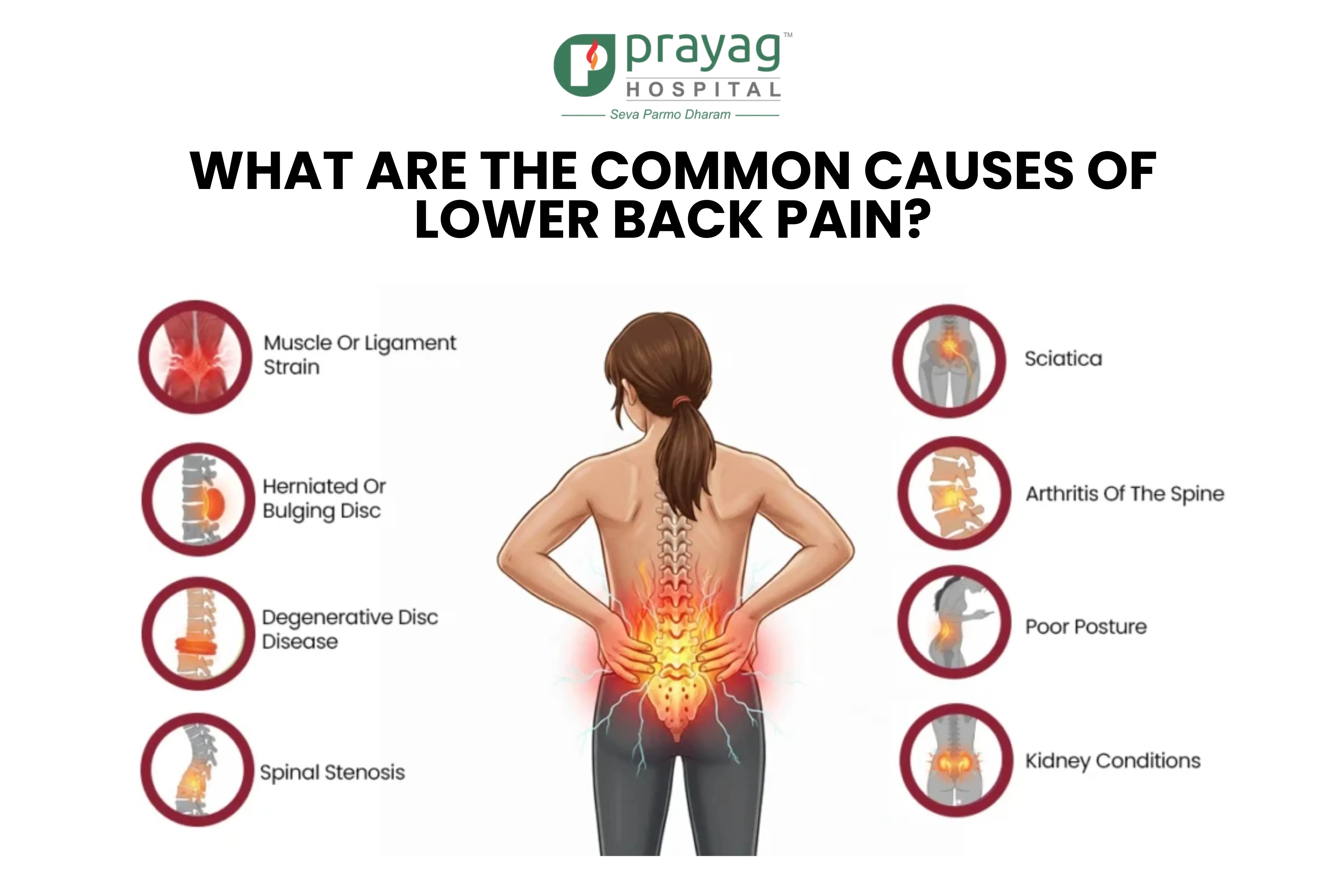
Lower back pain is one of the most common reasons people seek physiotherapy. According to the World Health Organization, it is the leading cause of disability worldwide. In most cases, it cannot be traced to a single serious disease. Clinicians often describe this as non-specific or mechanical back pain. Common contributing causes include:
- Muscle or ligament strain from lifting, sudden movements, or overexertion
- Prolonged sitting and poor posture, especially with desk-based work and long commutes
- Physical inactivity, which weakens the core and back-supporting muscles
- Disc-related problems, such as a bulging or herniated disc, which may press on nearby nerves
- Age-related changes, including spondylosis and degenerative disc changes
- Sciatica, where irritation of the sciatic nerve causes pain that travels into the buttock or leg
- Stress, poor sleep, and fatigue, which can increase pain sensitivity and muscle tension
Less commonly, back pain may be linked to fractures, infection, inflammatory conditions, or other medical problems. This is why proper assessment is important.
When Should You Consider Back Pain Physiotherapy?
Many short episodes of back pain improve within a few weeks. However, back pain physiotherapy is worth considering when:
- Pain lasts longer than a few weeks or keeps coming back
- Pain limits work, sleep, or daily activities
- Pain spreads into the buttock or leg, or is accompanied by tingling
- You are recovering from a back injury or spine surgery
- You want guidance on safe exercise and posture to prevent recurrence
Seek urgent medical attention, rather than starting physiotherapy on your own, if back pain comes with any of the following: loss of bladder or bowel control, numbness around the groin, progressive weakness in the legs, unexplained weight loss, fever, or a history of significant trauma or cancer.
Physical Therapy Treatment for Lower Back Pain: What Does It Include?
Modern physical therapy treatment for lower back pain is active and personalised. International guidelines, including those from WHO and the UK's National Institute for Health and Care Excellence (NICE), place exercise and education at the core of care. A typical programme may include:

- Education and reassurance: understanding why the pain occurs, how to stay active safely, and why prolonged bed rest is usually unhelpful
- Therapeutic exercise: strengthening the core, hips, and back muscles, improving flexibility, and building endurance
- Manual therapy: hands-on techniques such as joint mobilisation, soft tissue work, or spinal manipulation, used alongside exercise rather than on their own
- Posture and ergonomic advice: adjusting sitting, lifting, and workstation habits
- Graded activity: a gradual return to walking, work, and sport, increased step by step
- Home exercise programme: exercises to continue between sessions so that progress lasts
The emphasis is on helping patients take an active role in their recovery, not depending on passive treatment alone.
What Physiotherapy Techniques Are Used for Musculoskeletal Conditions?
Musculoskeletal conditions affect muscles, bones, joints, ligaments, and tendons. Depending on the diagnosis and stage of recovery, physiotherapists may use:
Exercise Therapy
Strength, stretching, stability, and aerobic conditioning.
Manual Therapy
Mobilisation and manipulation of joints, and massage or myofascial release.
Neuromuscular Re-education
Retraining movement patterns, balance, and coordination.
Electrotherapy and Heat or Cold Therapy
Used selectively to manage pain in certain conditions.
Taping and Supportive Techniques
To offload injured tissues during recovery.
Functional and Task-Specific Training
Practising real-life movements such as lifting, squatting, or climbing stairs.
A skilled physiotherapist chooses and combines these techniques based on evidence and the individual's response, not a one-size-fits-all protocol.
What Conditions Can Be Managed Through Physiotherapy and Rehabilitation?
Physiotherapy supports recovery across a wide range of conditions, including:
- Lower back pain, neck pain, and sciatica
- Cervical and lumbar spondylosis, and disc-related problems
- Osteoarthritis of the knee, hip, and other joints
- Frozen shoulder and rotator cuff problems
- Sports injuries, including sprains, strains, and ligament injuries
- Rehabilitation after fractures, joint replacement, or spine surgery
- Neurological conditions such as stroke, Parkinson's disease, and nerve injuries
- Posture-related and work-related pain
- Reduced strength and balance in older adults, including fall prevention
How Is a Personalized Physiotherapy Treatment Plan Developed?
A personalised plan brings together the assessment findings, the patient's goals, and current clinical evidence. The physiotherapist identifies the main problems, such as stiffness, weakness, or poor movement control. They then select interventions that address each one.
The plan usually progresses in stages. Early sessions focus on calming pain and restoring basic movement. Later sessions focus on strength, endurance, and return to full activity. Progress is reviewed regularly, and the plan is adjusted if improvement is slower than expected. Lifestyle, occupation, and personal preferences are also taken into account. A plan the patient can realistically follow is far more effective than an ideal plan that is abandoned.
Physiotherapy vs. Other Pain Management Approaches
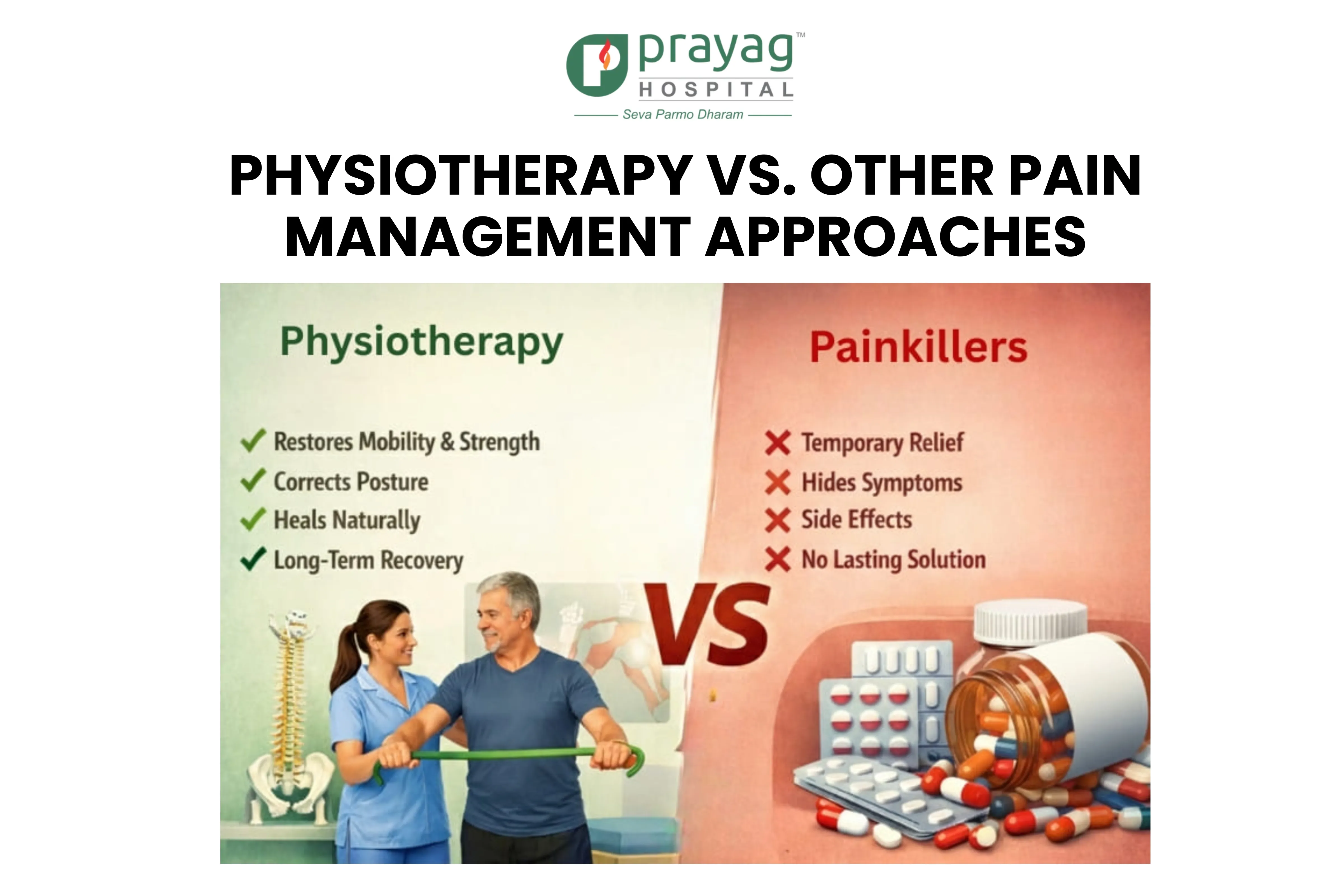
Physiotherapy vs. Pain-Relief Medication
Pain-relief medication can help in the short term and may make it easier to move and exercise. However, it does not correct weakness, stiffness, or faulty movement patterns. Physiotherapy addresses these underlying factors. In many cases, the two work best together, under the guidance of a doctor.
Physiotherapy vs. Chiropractic or Manual Treatment Approaches
Manual treatments, including spinal manipulation, can offer short-term relief for some people. Physiotherapy may also use manual techniques, but it places them within a wider programme of exercise, education, and functional training. Clinical guidelines recommend manual therapy as part of a combined package that includes exercise, rather than as a stand-alone treatment.
Physiotherapy vs. Surgical Intervention
Surgery is necessary for some conditions, such as severe nerve compression, certain fractures, or advanced joint damage. However, most cases of lower back pain do not require surgery. Physiotherapy is usually the first-line approach. When surgery is needed, physiotherapy before and after the procedure plays a major role in recovery.
Supervised Physiotherapy vs. Self-Directed Exercise
Online exercise videos can be helpful, but they are not tailored to your condition. Supervised physiotherapy ensures exercises are correct, safe, and progressed at the right pace. It also allows the physiotherapist to change the plan when symptoms change. Over time, patients move towards independent self-management with a clear home programme.
How to Choose a Physiotherapy Centre in Noida?
When comparing options for physiotherapy in Noida, consider the following:
- Qualified physiotherapists with relevant clinical experience
- A thorough initial assessment, not immediate treatment without evaluation
- Access to doctors and diagnostics, such as orthopaedics, neurology, and imaging, when needed
- Evidence-based, active treatment with a clear emphasis on exercise and education
- Individualised plans with defined goals and regular progress reviews
- Convenient location and timings that make regular attendance realistic
A hospital-based centre can be especially useful for patients with complex conditions, recent surgery, or symptoms that may need further medical investigation.
Physiotherapy and Rehabilitation Services at Prayag Hospital
Prayag Hospital, located in Sector 41, Noida, began as an orthopaedic centre in 1995 and has since grown into a multispecialty hospital. Its physiotherapy and rehabilitation services provide assessment-led care for back pain, neck pain, joint problems, sports injuries, and post-surgical recovery.
Because physiotherapy is delivered within a multispecialty hospital, patients can benefit from coordinated care with orthopaedic, neurology, and other specialists when their condition requires it. Treatment plans focus on restoring movement, reducing pain, and helping patients return to daily life with confidence. For anyone seeking back pain physiotherapy or broader rehabilitation support, a consultation at Prayag Hospital can be a good first step towards a clear diagnosis and a structured recovery plan.
To book a physiotherapy consultation at Prayag Hospital, call 0120-4021900.
Conclusion
Pain and restricted movement do not have to become a permanent part of life. Physiotherapy offers an evidence-based, personalised path to recovery, built on careful assessment, targeted exercise, and education. For lower back pain in particular, active physiotherapy is one of the most widely recommended approaches. If pain is affecting your work, sleep, or daily activities, consulting a qualified physiotherapist early can help you recover faster and reduce the chance of it returning. For physiotherapy in Noida, you can reach Prayag Hospital at 0120-4021900 to schedule an assessment.